
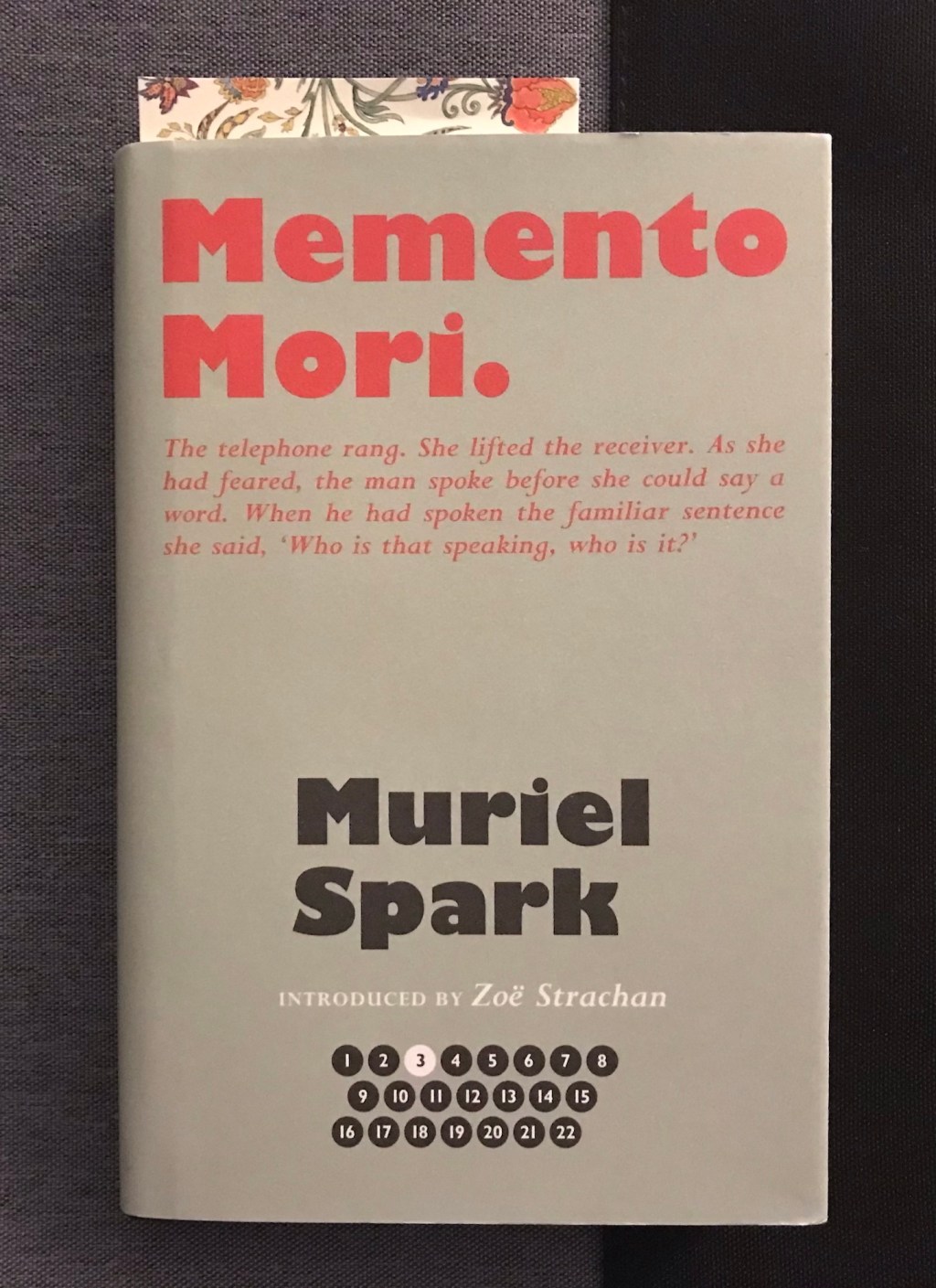
‘her first masterpiece’ David Lodge
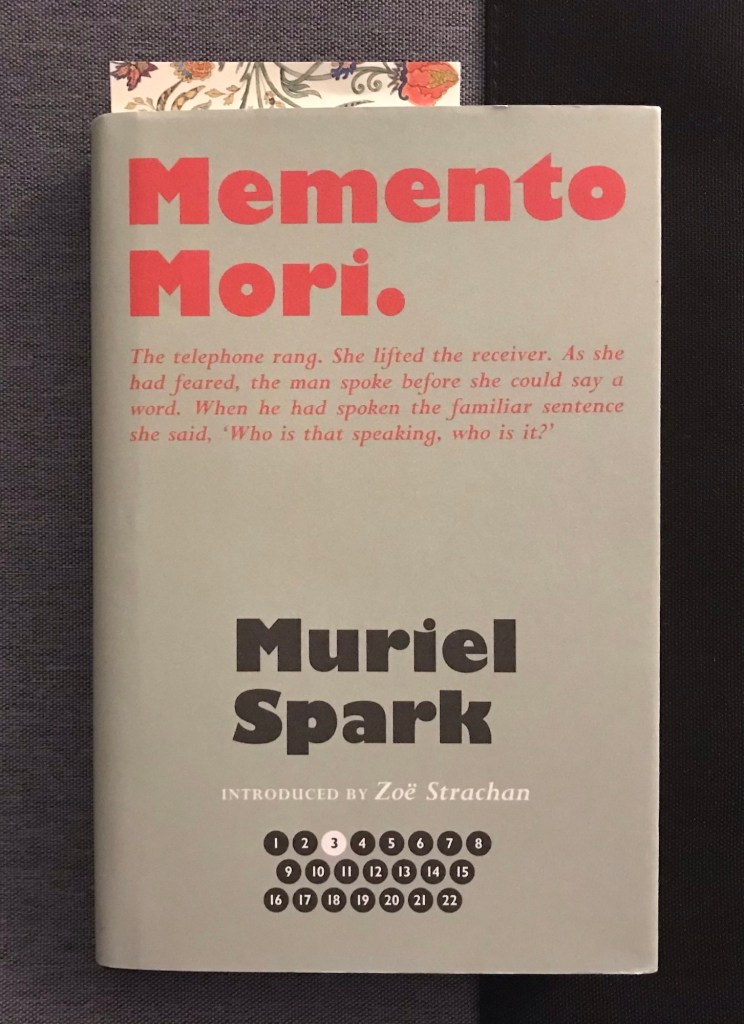
Book blurb
Described by David Lodge as ‘her first masterpiece’, Memento Mori opens with a telephone call and the words ‘Remember you must die’.
Over several months, a circle of elderly men and women receive similar calls and everyone becomes a suspect. As the investigating police inspector muses: ‘Death, when it approaches, ought not to take one by surprise. It should be part of the full expectancy of life. Without an ever-present sense of death, life is insipid. You might as well live on the whites of eggs.’
While immersed in the indignities of old age, dementia and death, this novel is both profoundly compassionate and entertaining.
My thoughts
Well here we are on deadline day. Did I finish? Yes, I did – yeah! Did I post on time well not quite!
I have been away for a family wedding which, in a good way, took me away from reading and blogging hence a somewhat hasty gathering of thoughts on Memento Mori than I might of liked in order to meet the Classic Club spin deadline or as close as I could.
I was drawn immediately into this story because of my love of crime fiction and the opening of the book has a rather mysterious and dark opening when Dame Lettie receives yet another very unnerving telephone call from an unknown man who after ensuring he is speaking to Dame Lettie says ‘Remember you must die’.
What follows is a fascinating, at times funny and wonderfully written story that has a cast of aged characters whose lives have intertwined wondering about their lives past, present and future. Each eventually receive a similar call and whilst it is reported to the police little seems to be done and any investigation is certainly carried on ‘off stage’ as it were.
And so we are introduced to various characters. Godfrey, Lettie’s brother and his wife Charmaine. Charmaine is a retired author whose health is not good.
There is indeed a large cast of people in the story most of whom are over seventy. This is set not long after World War II in the 1950s and although state pensions existed they were not always sufficient to live on so the working age often exceeded state pension age. It is therefore not surprising that characters over state pension age were still in employment. Mrs Pettigrew, for example, or Mrs Anderson both employed in one or other of the characters households even though they are both over seventy. Although Mrs Anderson reveals at one point that although her husband is now retired and would like her to be at home she’s not too sure she wants to be at home with him underfoot!
Joan Turner, previously employed as Charmaine’s assistant, is now in a hospital ward for the elderly. I really enjoyed the scenes that took place here as not only did it link characters and storylines together it showed what life might of been like for those elderly who had medical conditions but could not afford private care. The NHS had come into being in 1948 so this was quite a new service. They lived on a ward with a sister in charge and with nurses to care for them. The patients, each known as Granny, became a family looking out for one another. In one instance banding together to get Sister Burstead, named by the grannies Sister Bastard, moved off their ward. Joan is a terrific character sharp as a pin, understanding of the family she worked for (the Colton’s), their friends and their situations who gives wise counsel in a very considerate way.
Then there are friends who have passed like Lisa whose Will leaves everything to the rather nasty and manipulative Mrs Pettigrew until a husband shows up! This leaves Mrs P in need of a position. Godfrey Colton has his sights on her as a maid/companion to his wife Charmaine who he is sure has dementia of some kind. Charmaine is another loveable character whose mind may wander but she takes in much more than is thought. Godfrey may well rue the day he takes Mrs Pettigrew on to assist his wife!
Spark has a keen eye for characterisation and is a wonderful storyteller. She does not shy away from letting some of these characters die, indeed there is a rather brutal scene in the book which even though the book has an undertone of menace still had a shocking effect – on me, at least – but she is also considerate towards the characters when she is writing about the consequences of old age, their foibles, thoughts and their lives.
The escapades of these elderly folk keeps the narrative trotting along, the mystery of the telephones calls weaves in and out and the reader is thoroughly entertained.
I really enjoyed this book and would highly recommend it.
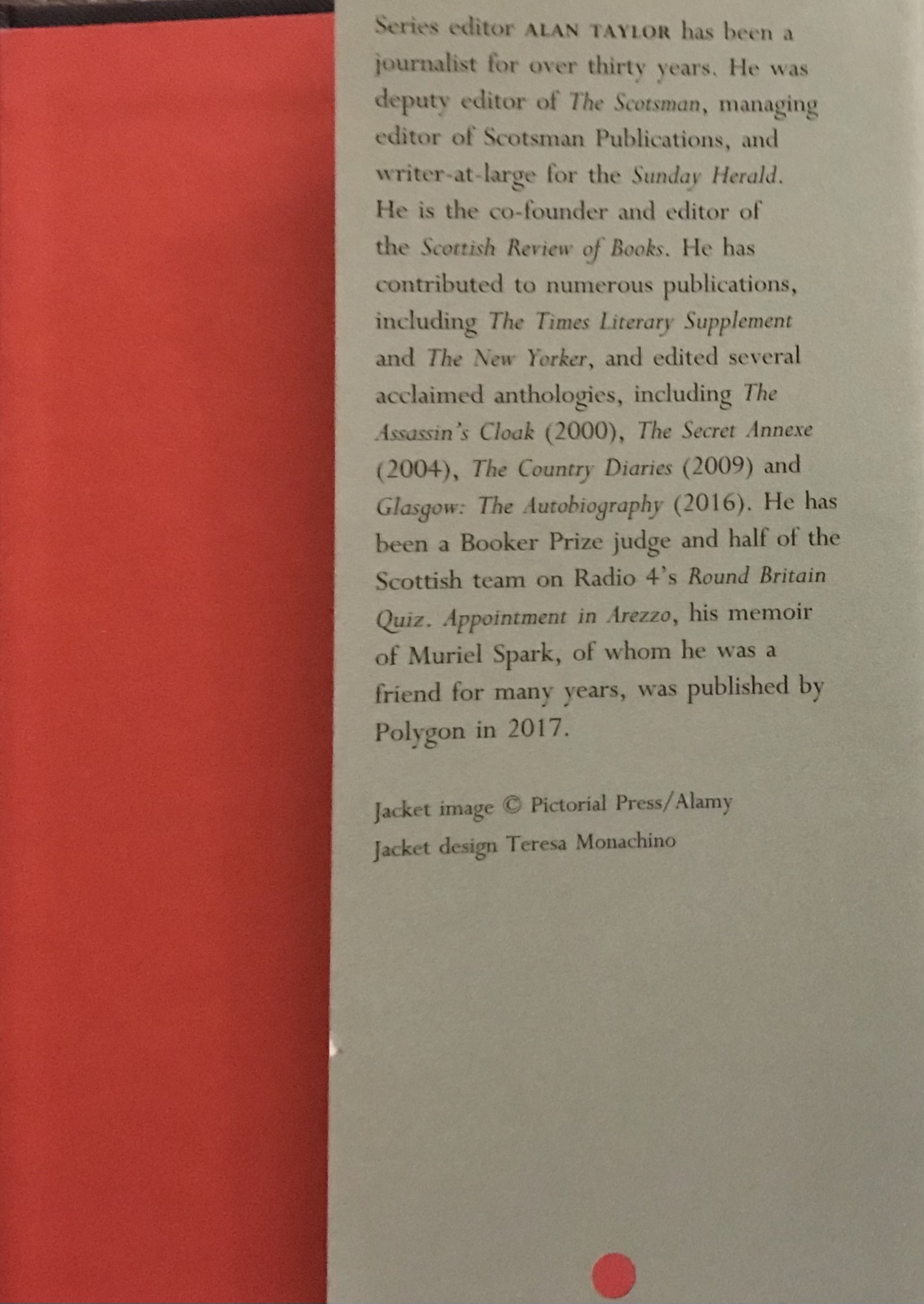
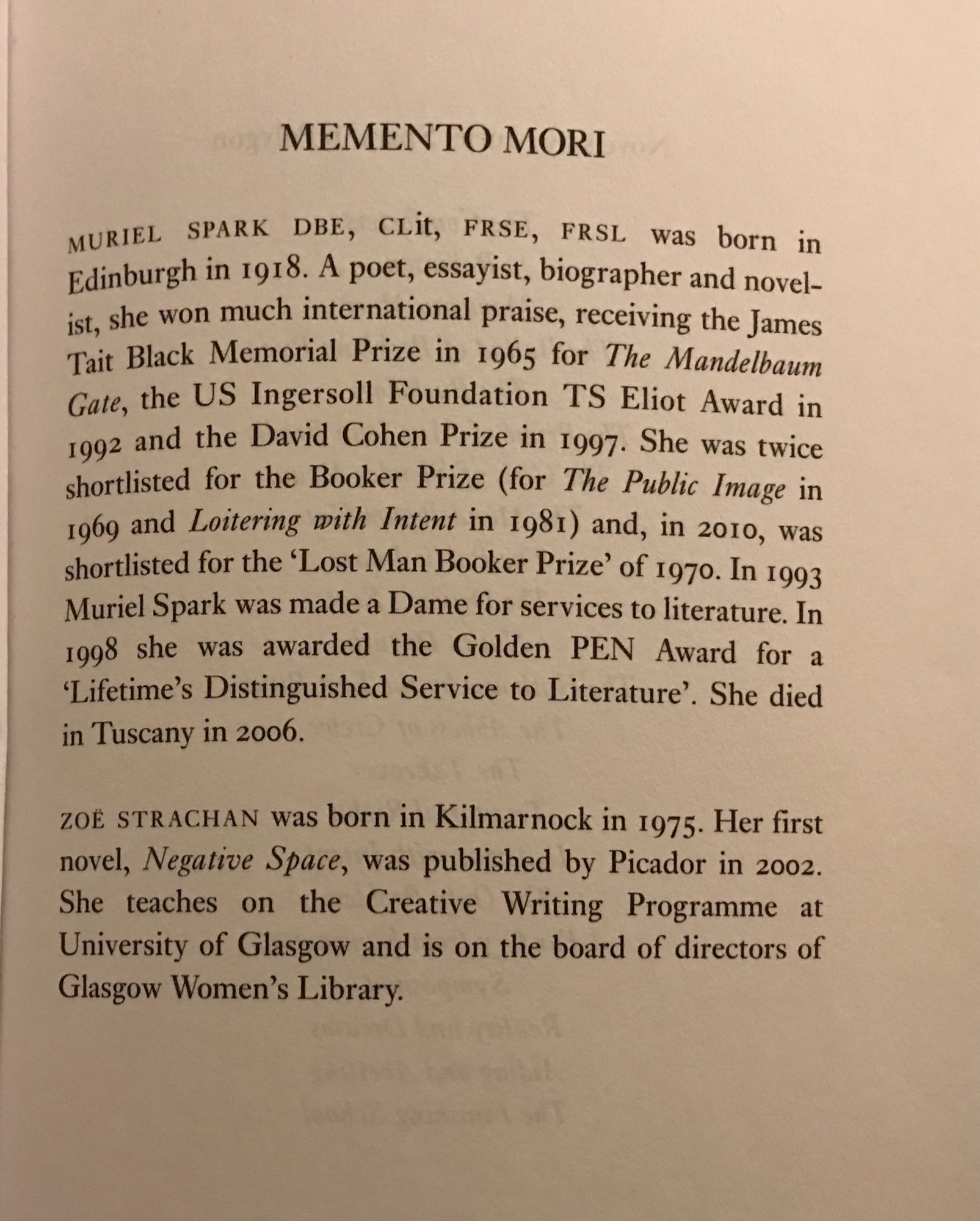
Note: I read the foreword by Alan Taylor and the introduction by Zoë Strachan after reading the story itself.
Classic Club Spin #43

Here are the directions from The Classics Club:
We (The Classic Club) will announce a number from 1 through 20. When we announce it, go to your Spin list. Find that number, read (and hopefully, review) the book listed for that number by 29th March 2026.
- GO TO YOUR BLOG.
- PICK TWENTY BOOKS THAT YOU’VE GOT LEFT TO READ FROM YOUR CLASSICS CLUB LIST.
- POST THAT LIST, NUMBERED 1-20, ON YOUR BLOG BEFORE SUNDAY 8TH FEBRUARY 2026.
- WE’LL ANNOUNCE A NUMBER FROM 1-20.
- READ THAT BOOK BY 29TH MARCH.
We’ll check in here on the 29th March to see who made it the whole way and finished their spin book!
Information
Published: Polygon (An Imprint of Birlinn Limited) Centenary Edition| 16 Nov 2017 | ISBN 978-1-84697-427-4 | 240 pp | Memento Mori – First published 1959
Buy:
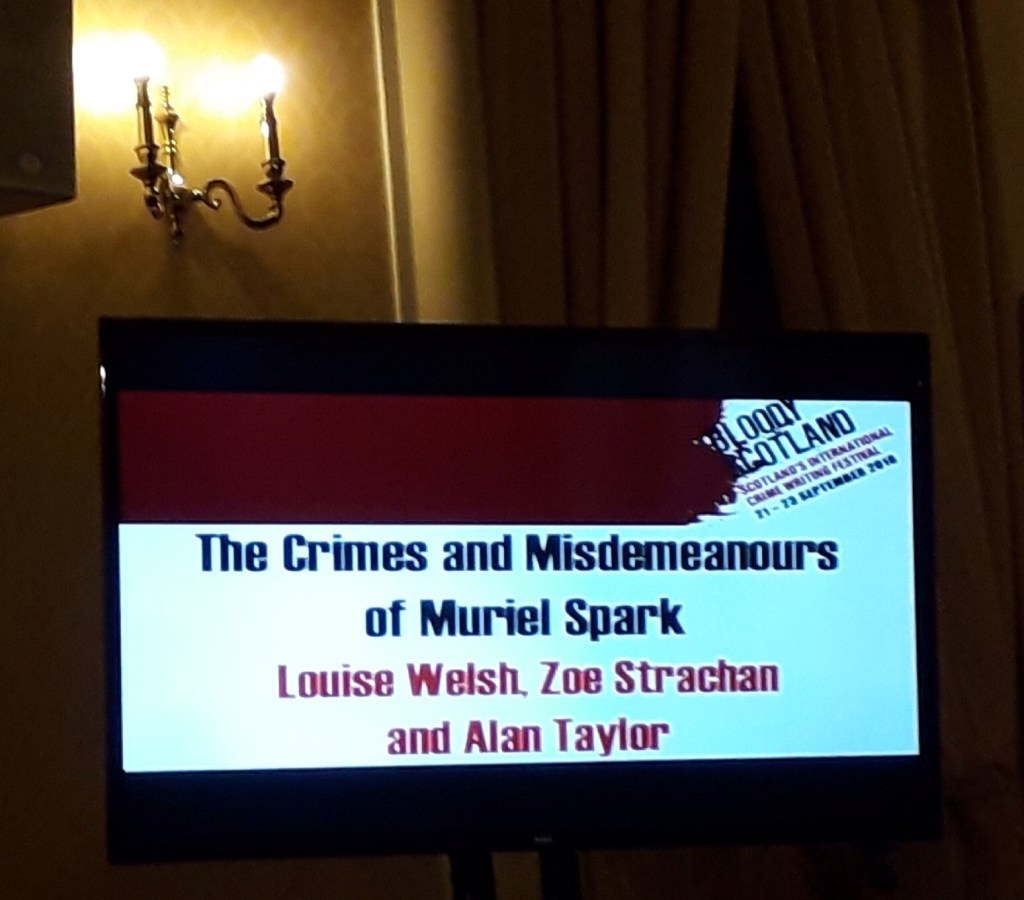
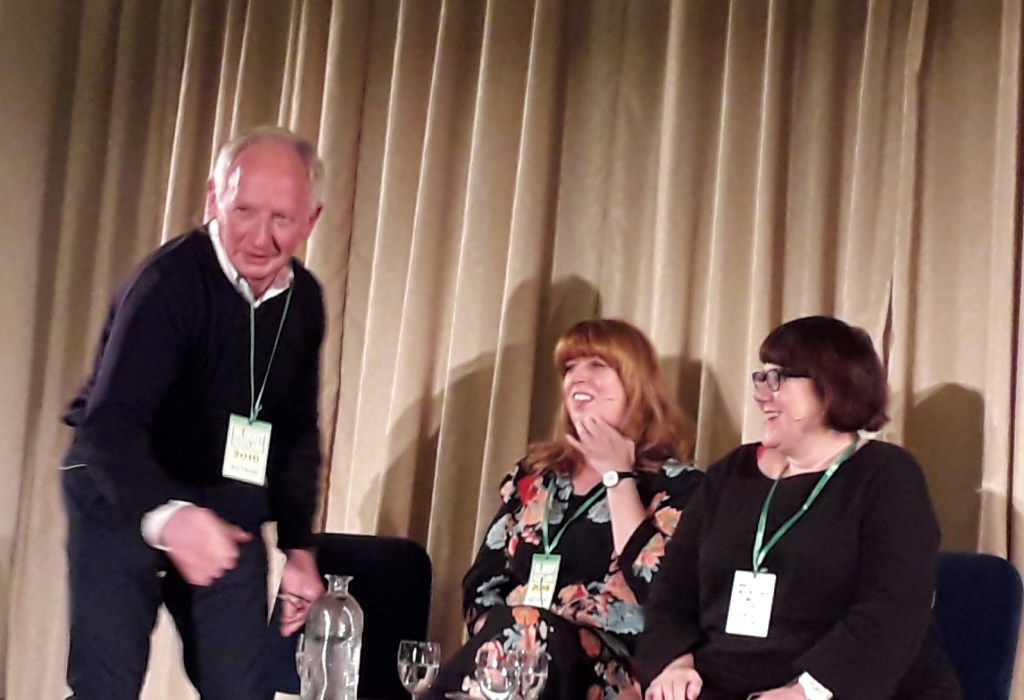
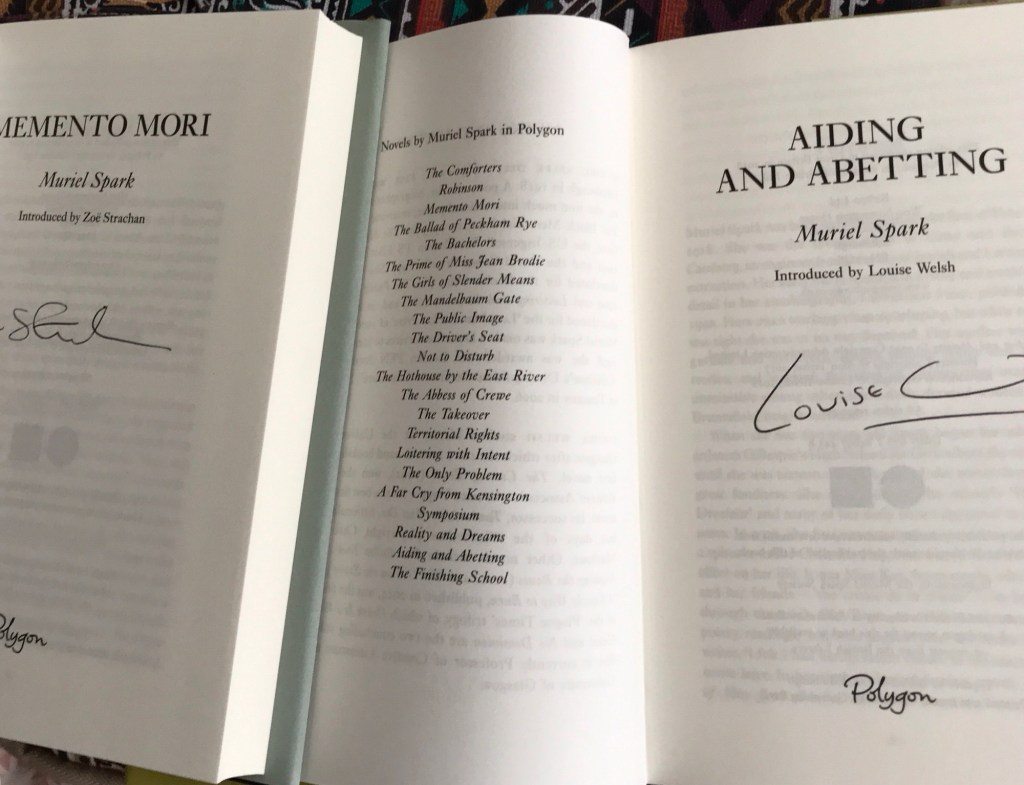
This is one of the 22 novels written by Muriel Spark in her lifetime. All are being published by Polygon in hardback Centenary Editions between November 2017 and September 2018. I bought Memento Mori and Aiding and Abetting at Bloody Scotland when attending an event there.
Further Information
The Muriel Spark Society – A meeting place for all those who are interested in Muriel Spark
The Science Museum – Memento Mori
The Tate – Memento Mori
Pension Archive (pdf) – History of Pensions in the U.K.
Unbiased – UK state pension history explained: key milestones and reforms
Basic State Pension (Rate)
Date effective | Single couple (a week) | Married couple (a week)
January 1958. | £2.50 | £4.00
April 1955 | £2.00. | £3.25
September 1952 | £1.625 | £2.70
Author
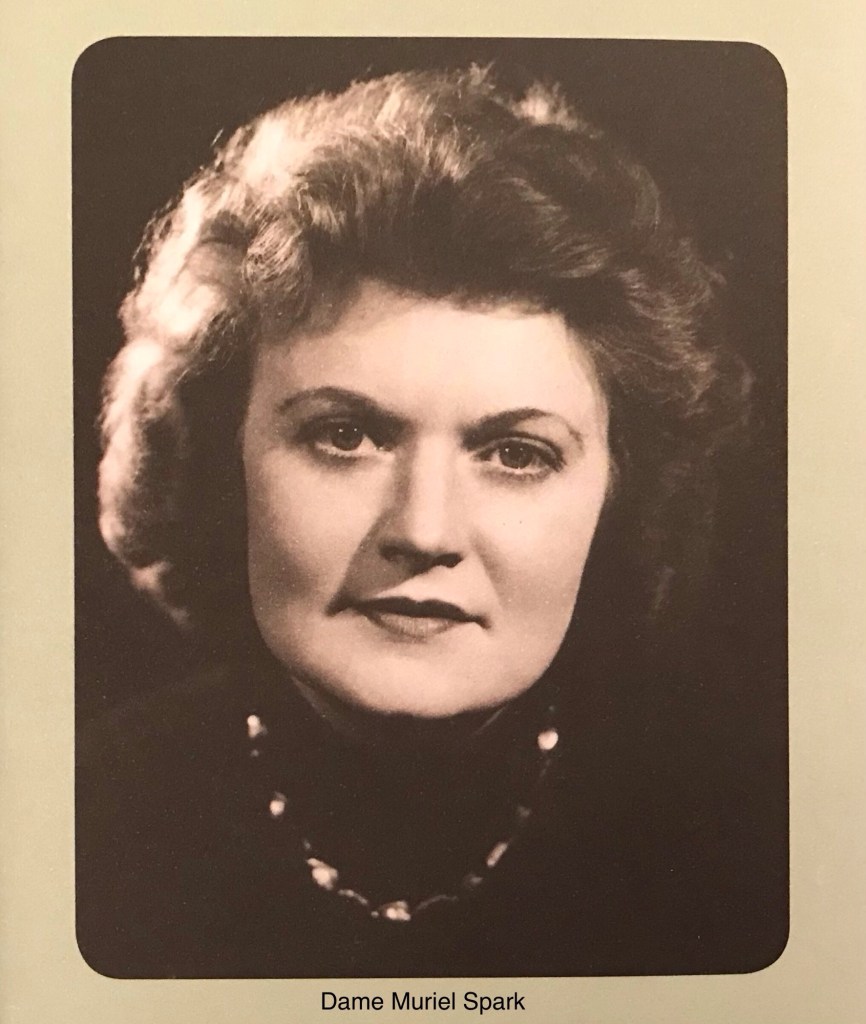
Muriel Spark (1918–2006) was a prolific Scottish novelist, short story writer, and poet whose darkly comedic voice made her one of the most distinctive writers of the twentieth century.
Spark was born in 1918 and grew up in Edinburgh. She worked as a department store secretary, writer for trade magazines, and literary editor. After some years living in Africa she returned to England, where she edited Poetry Review from 1947 to 1949 and published her first volume of poems, The Fanfarlo, in 1952. Her first novel The Comforters was published in 1957. The Prime of Miss Jean Brodie (1961), considered her masterpiece, was made into a stage play, a TV series, and a film.
Her many novels include Memento Mori (1959), The Prime of Miss Jean Brodie (1961), The Girls of Slender Means (1963), The Abbess of Crewe (1974), A Far Cry from Kensington (1988) and The Finishing School (2004). Her short stories were collected in 1967, 1985 and 2001, and her Collected Poems appeared in 1967.
She eventually made her home in Italy. Dame Muriel was made Commandeur des Arts et des Lettres (France) in 1996 and awarded her DBE in 1993. She died in Italy on 13th April 2006, at the age of 88.
Books
Novels
1957 The Comforters
1958 Robinson
1959 Memento Mori
1960 The Ballad of Peckham Rye
1960 The Bachelors
1961 The Prime of Miss Jean Brodie
1963 The Girls of Slender Means
1965 The Mandelbaum Gate
1968 The Public Image
1970 The Driver’s Seat
1971 Not to Disturb
1973 The Hothouse by East River
1974 The Abbess of Crewe
1976 The Takeover
1979 Territorial Rights
1981 Loitering with Intent
1984 The Only Problem
1988 A Far Cry from Kensington
1990 Symposium
1996 Reality and Dreams
2000 Aiding and Abetting
2004 The Finishing School
Short Stories
1958 The Go-Away Bird
1961 Voices at Play (short stories and plays)
1967 Collected Stories
1982 Bang-bang You’re Dead
2001 Complete Short StoriesPoetry
1952 The Fanfarlo and Other Verse
1967 Collected Poems
1982 Going up to Sotheby’s
2004 All the Poems
Other Works
1950 Tribute to Wordsworth (ed Muriel Spark and Derek Stanford)
1951 Child of Light (a study of Mary Shelley)
1952 Selected Poems of Emily Bronte (ed Muriel Spark)
1953 John Masefield (a biography)
1953 My Best Mary (selected letters of Mary Shelley, ed Muriel Spark and Derek Stanford)
1954 The Bronte Letters
1957 Letters of John Henry Newman (ed Muriel Spark and Derek Stanford)
1963 The Golden Fleece (essays, ed with a preface by Penelope Jardine 2014)
1963 Doctors of Philosophy (play)
1992 Curriculum Vitae (autobiography)




 Janet - LoveBooks, ReadBooks: A readers musings, thoughts and reviews
Leave a reply to THE CLASSICS CLUB: THE CLASSICS SPIN #43 #THECLASSICSCLUB #CCSPIN – Janet – LoveBooks, ReadBooks: A readers musings, thoughts and reviews Cancel reply