RECIPIENTS INCLUDING ANNE ENRIGHT, SIGRID NUNEZ & TONGO EISEN-MARTIN WITH KEYNOTE ‘WHY I WRITE’ LECTURE BY KWAME DAWES


September 16-19, 2025 at Yale University Campus
Yale University, New Haven, Monday, August 18, 2025: The Windham-Campbell Prizes have announced the highly anticipated program for their annual fall festival, including the indomitable Poet Laureate of Jamaica, Kwame Dawes, who will deliver the keynote address “Why I Write” at the 2025 Prize Ceremony.
The festival will run from September 16 – 19 at various locations across Yale University Campus and in the wider New Haven community, and will celebrate the eight extraordinary writers each awarded a Windham-Campbell Prize worth $175,000 in April. The 2025 recipients – across four categories, fiction, nonfiction, poetry, and drama – are:
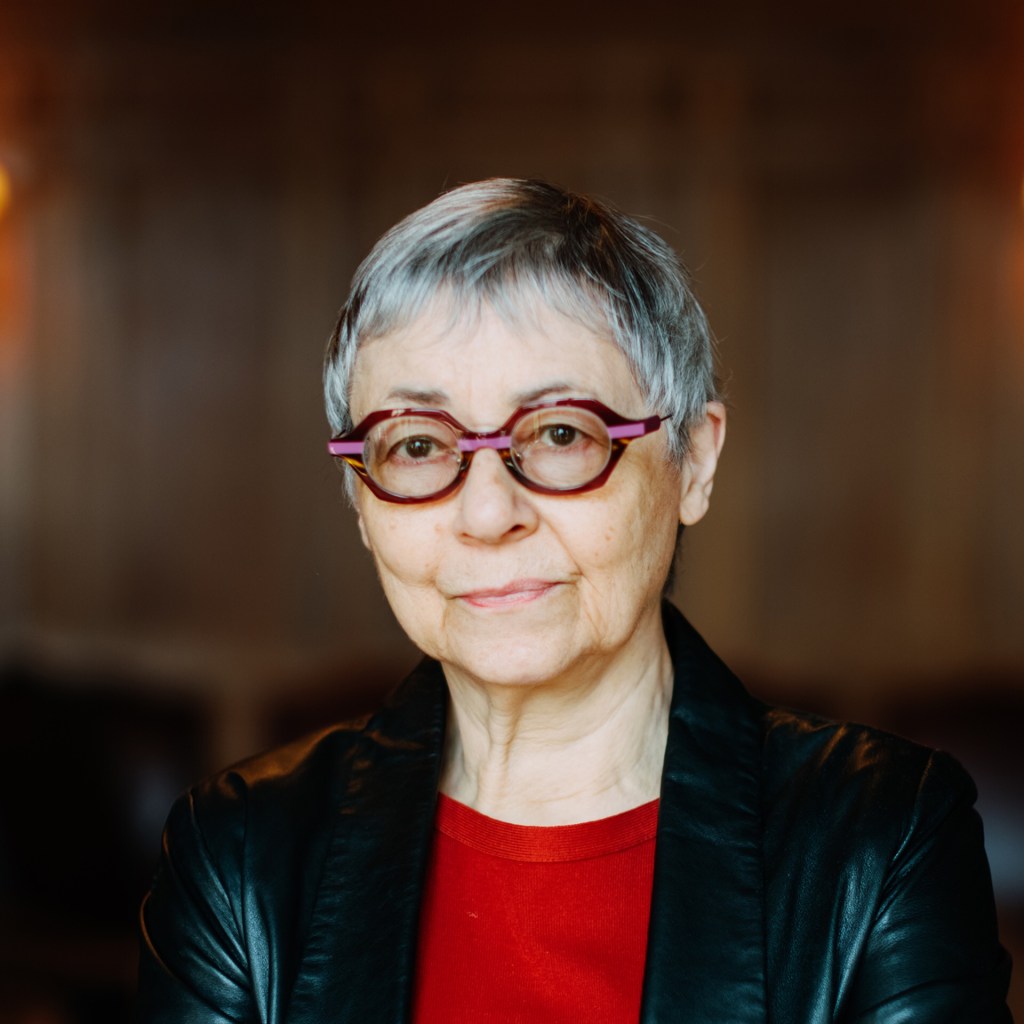
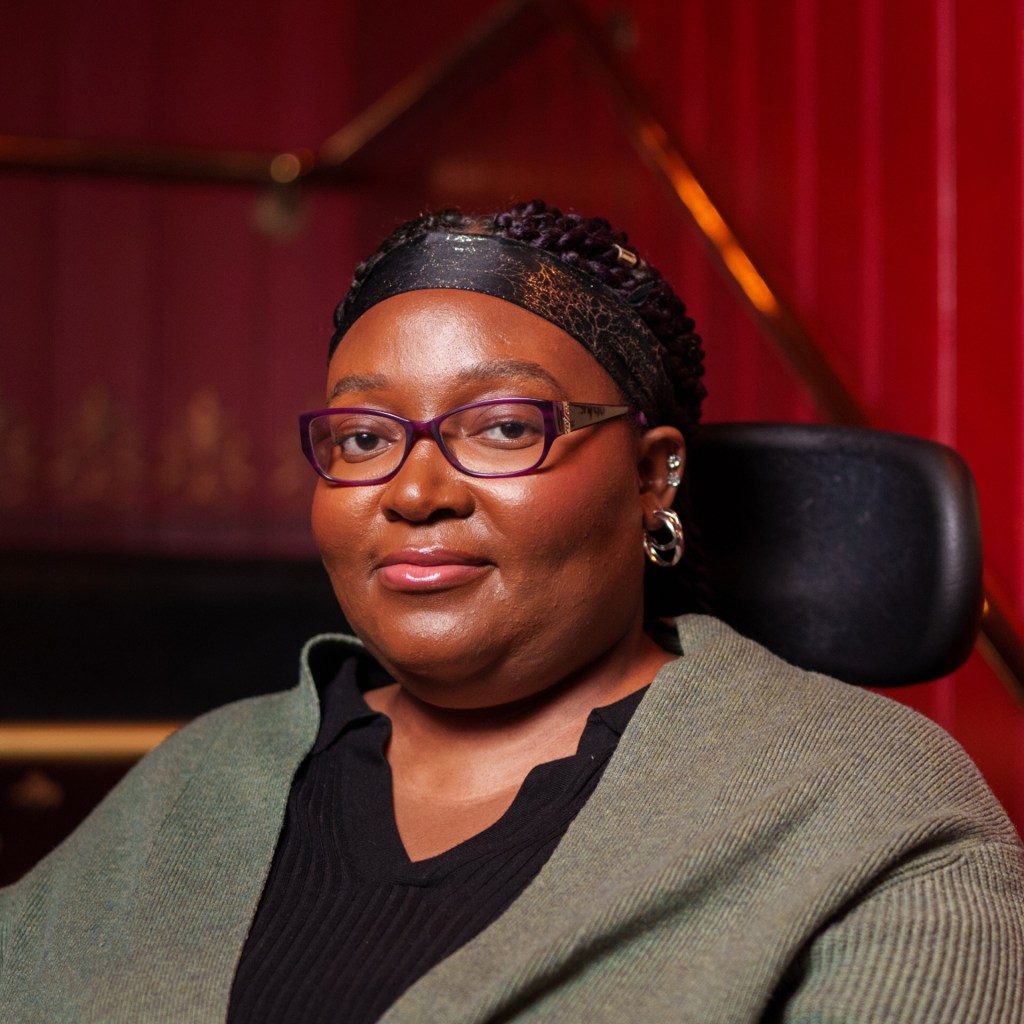
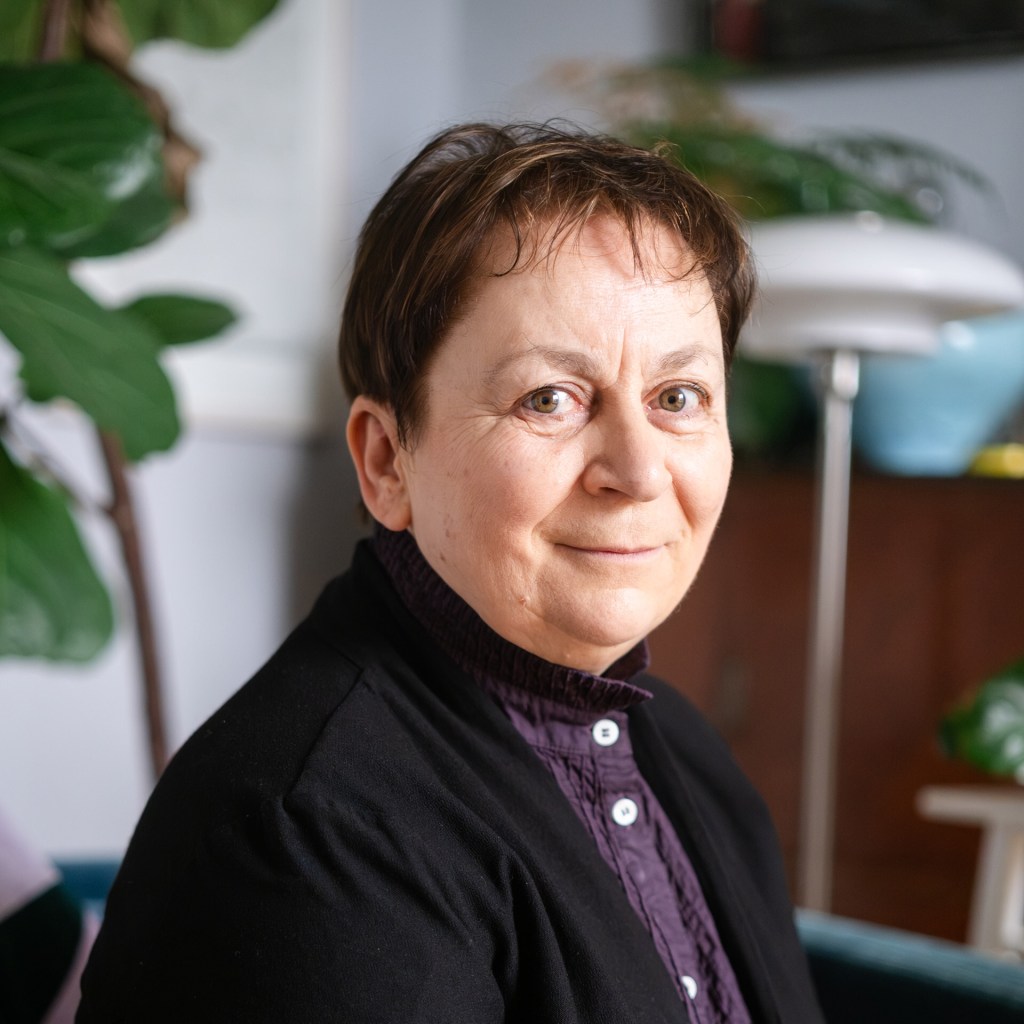
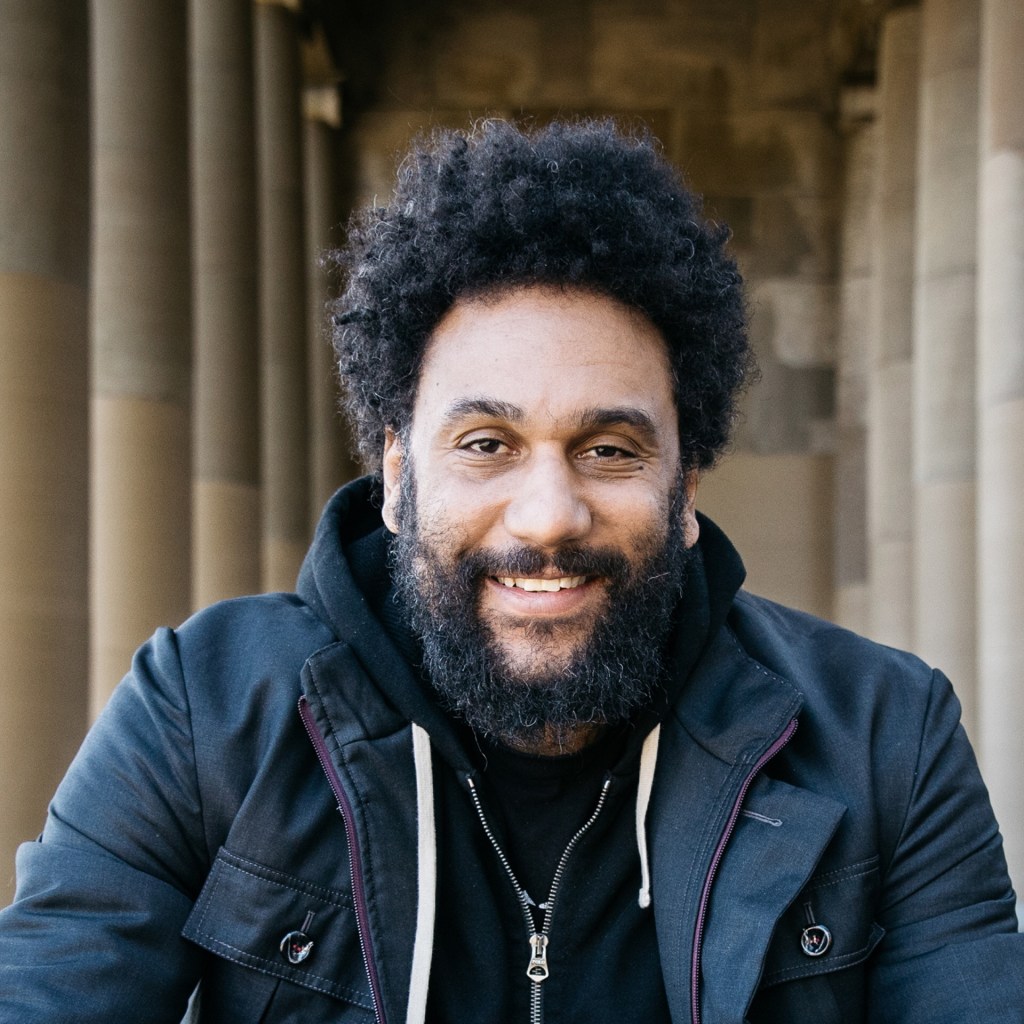
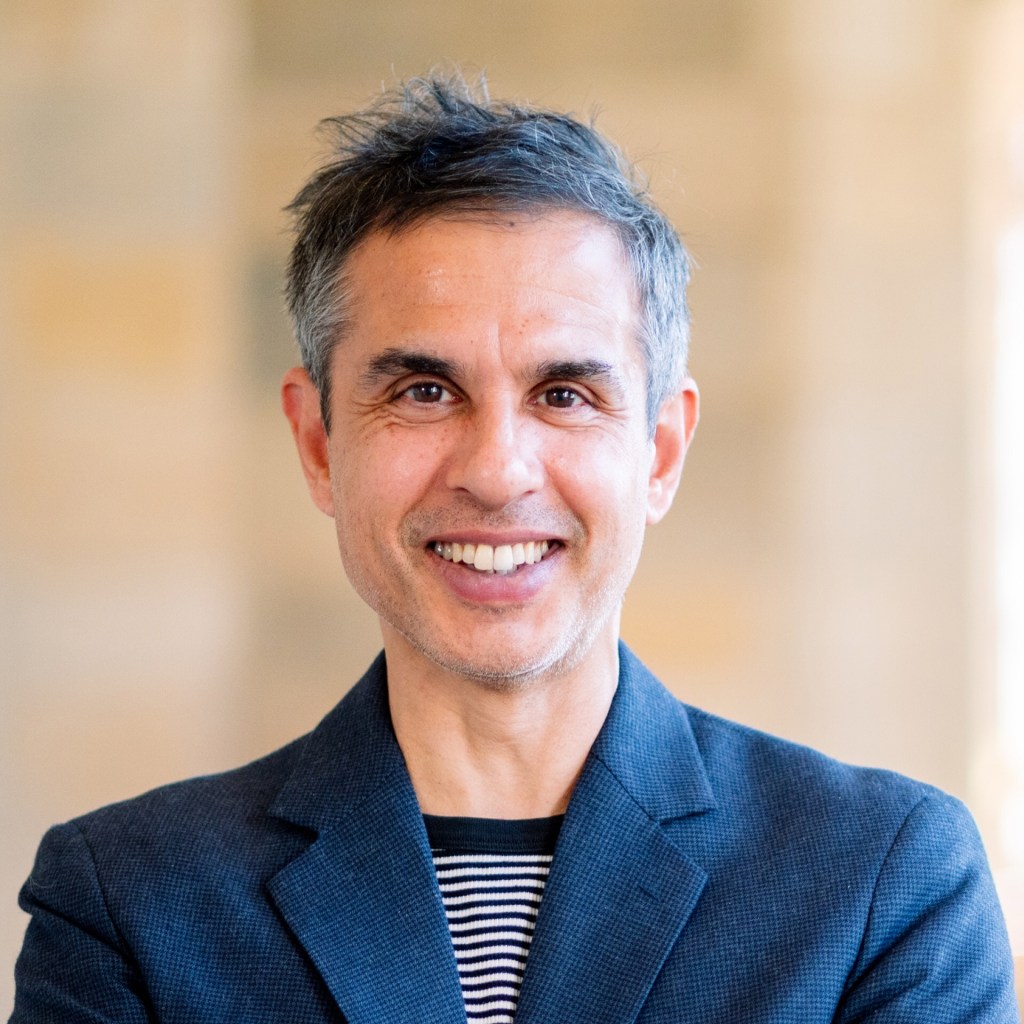
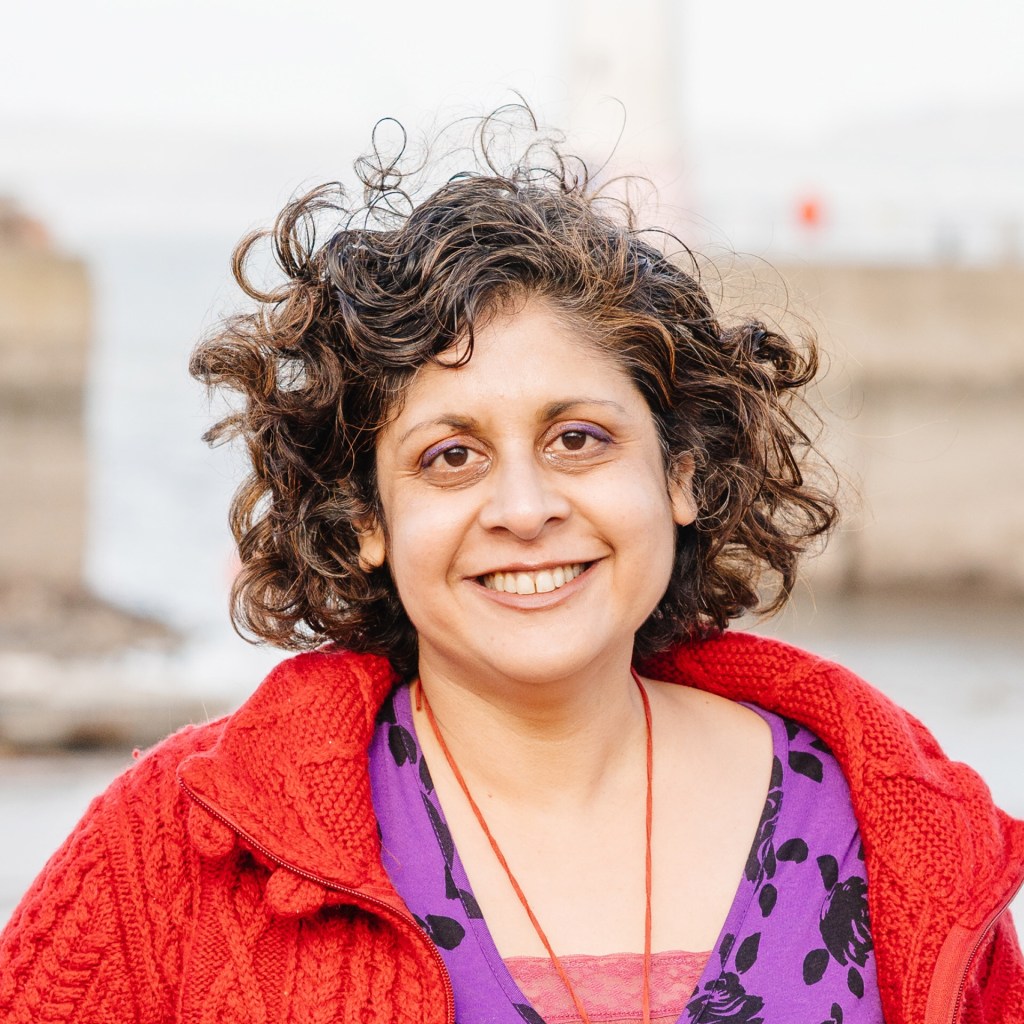
– Sigrid Nunez: New York City’s multi-award-winning novelist and originator of autofiction, whose work reaches beyond the confines of traditional plot and character development, to collage autobiography and imagination into universal portraits of the human experience (United States, fiction)
– Anne Enright: a master of her form, the first Laureate for Irish Fiction explores the theme of the family through startlingly potent and elegant domestic portraits, and deceptively simple language (Ireland, fiction)
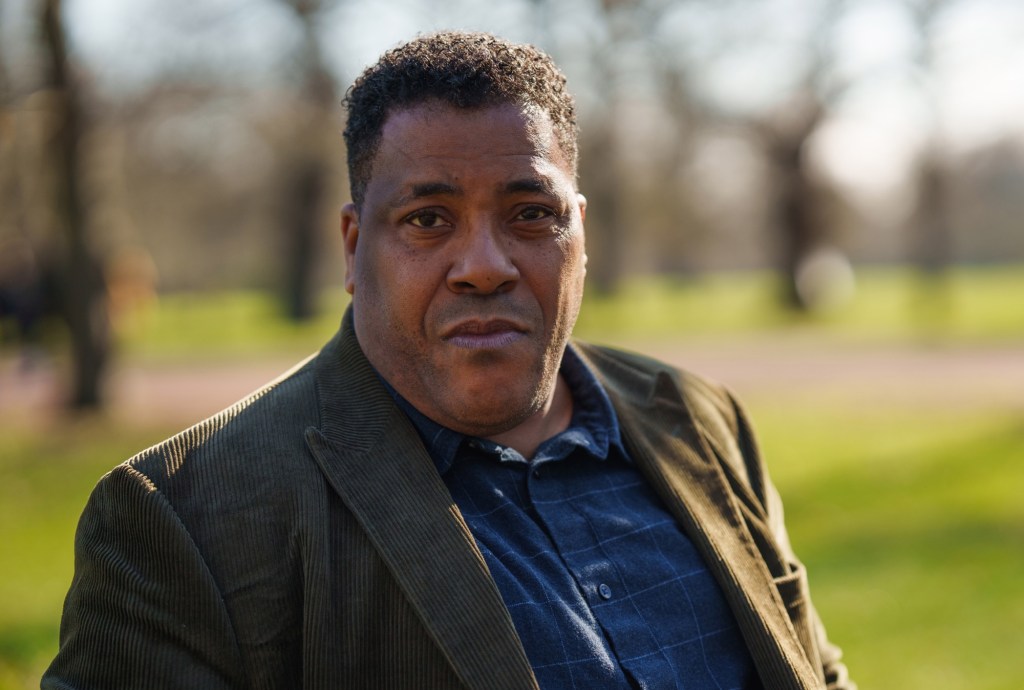
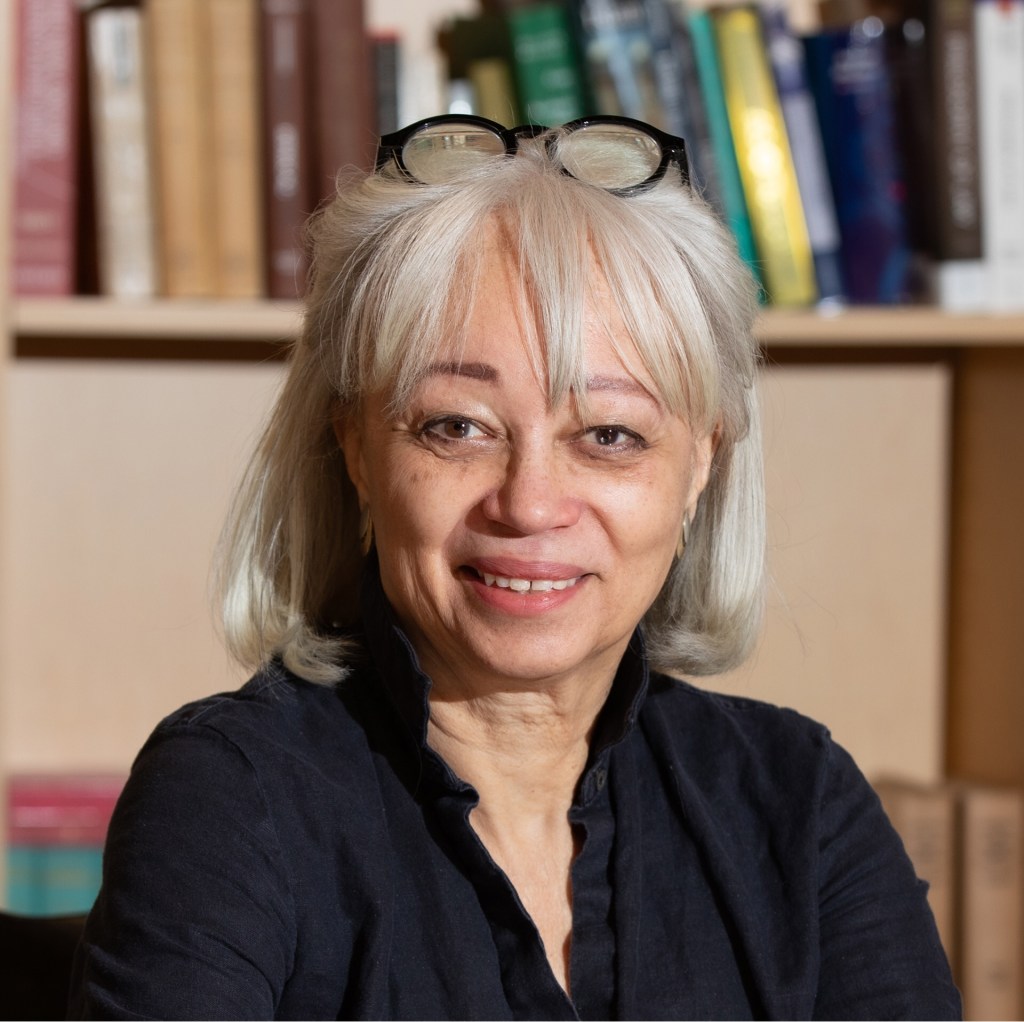
– Patricia J. Williams: a renowned American legal scholar whose extensive and pivotal body of work masterfully reveals and addresses some of America’s most complex societal problems (United States, nonfiction)
– Rana Dasgupta: the British essayist, best known for his perceptive critique of global hypercapitalism, industrialization, politics and class, captures contemporary capitalism’s visions and challenges with unflinching candor (United Kingdom, nonfiction)
– Roy Williams: one of Britain’s most significant and prolific playwrights, leverages an exquisite power of observation to create nuanced portrayals of race and class in today’s Britain (United Kingdom, drama)
– Matilda Feyiṣayọ Ibini: a self-described “bionic, queer playwright,” centers stories from the margins, including from queer and disabled people, and brings them to life with their signature magical realist splendor (United Kingdom, drama)
– Anthony V. Capildeo: the internationally prolific poet deeply engages and captures the nuances of belonging, identity and gender in their complex and compelling writing (Scotland/Trinidad and Tobago, poetry)
– Tongo Eisen-Martin: the eighth Poet Laureate of San Francisco and educator whose poems confront the oppression and injustices of American society whilst calling the tenacious energy of the human spirit to action (United States, poetry)
The fall festival showcases the extraordinary range of talent across the Windham-Campbell Prizes with a series of thought-provoking lectures, screenings, and performances from this year’s recipients and alumni. Highlights include:
Tuesday, September 16:
– The Windham-Campbell Prizes Festival will launch its 2025 edition with a Welcome Party, featuring music by DJ Edgewood and food trucks on campus.
Wednesday, September 17:
– The Windham-Campbell Prizes 2025 Ceremony + Lecture: Yale University President Maurie D. McInnis presents the 2025 awards in drama, fiction, nonfiction, and poetry, and Jamaica’s esteemed Poet Laureate, Kwame Dawes delivers the thought-provoking annual Windham-Campbell Lecture “Why I Write.”
Thursday, September 18:
– Anthony V. Capildeo explores the spiritual and artistic dimensions of their work and the broader role of silence and belief in poetic expression in a dialogue with Fr. Albert Robertson OP.
– Rana Dasgupta discusses his highly anticipated forthcoming book After Nations and takes a vital look at the forces shaping our collective future with journalist, author, and senior editor at The Yale Review, James Surowiecki.
– Patricia J. Williams and legal scholar and performer Kendall Thomas join together in a unique collaboration featuring Williams’s powerful insights brought to life with readings and a special vocal performance.
– Matilda Feyiṣayọ Ibini dives into the world of Afrofuturism through the lens of the groundbreaking artist Janelle Monáe in an insightful exploration of Monáe’s visionary artistry.
– Tongo Eisen-Martin brings together compelling voices in the third annual ‘Freedom Futures’ block party, a celebratory evening dedicated to the life and legacy of Black Panther Party activist Fred Hampton. This event is co-sponsored by Kulturally Lit, the Black Futures Institute and Possible Futures.
– Anne Enright and Sigrid Nunez will delve into the challenges and triumphs of novel writing, and the very essence of storytelling, in an illuminating conversation on the craft of fiction.
– Roy Williams and Matilda Feyiṣayọ Ibini will be conducting staged readings of their award-winning works.
– Sigrid Nunez’s celebrated prose will be brought to life in a special screening of The Friend, the acclaimed film adaptation of Nunez’s award-winning novel, starring Naomi Watts and Bill Murray.
Friday, September 19:
– Anne Enright joins conservator and birder Mark Aronson for a delightful blend of literary insight, natural observation, and engaging conversation, in a unique birding adventure.
– Roy Williams and Matilda Feyiṣayọ Ibini will share insights into their creative processes in an illuminating discussion on the craft of playwriting, moderated by acclaimed playwright and faculty member at Yale, Branden Jacobs-Jenkins.
– Sigrid Nunez offers a unique perspective on the life and work of her close friend, the late Nobel Laureate Joseph Brodsky, whose archives are held at the Beinecke Library, with Curator of Modern European Books and Manuscripts at the Beinecke, Kevin Repp.
– Patricia J. Williams will be in conversation with Gerald Torres, a distinguished expert in environmental law to discuss Critical Race Theory, its contemporary relevance and its profound impact on law, society, and culture.
– Anthony V. Capildeo will delve into the intricate relationship between sound, place, and poetic imagination and the landscapes and soundscapes that inspire their work, with distinguished scholar and Professor of English at Yale, Langdon Hammer.
– Roy Williams will be joined by Kara Manning of New York’s WFUV to explore how the groundbreaking sound and powerful messages of the iconic ska revival 2 Tone Records redefined British youth culture and politics in the early 1980s.
– Tongo Eisen-Martin, along with film composer, Joshua Asante, will take audiences on a powerful, multi-sensory immersive experience with a special screening of Michael Warren Wilson’s We Have Just Begun, exploring the enduring legacy of the 1919 Elaine Riot, Massacre, and Dispossession.
– Rana Dasgupta and Maryam Aslany, Visiting Fellow in Agrarian Studies at Yale, will take part in an urgent and wide-ranging conversation on the agrarian crisis, and the future of farming communities, which draws from their forthcoming Audible podcast.
The festival will be rounded off by its annual closing event – The Windham-Campbell Prize Recipient Readings – which welcomes all 2025 recipients to the Yale University Art Gallery stage for a short reading.
Daily Morning Wake Up sessions will be held at 10am, offering attendees free coffee and treats, book giveaways, and short readings by prize recipients from their contributions to an upcoming issue of The Yale Review, hosted by Meghan O’Rourke, Editor of The Yale Review.
“We are proud to recognize the 2025 recipients of the Windham-Campbell Prizes and their masterful works and immense talent. Each year, we welcome these writers to Yale University and join with audiences across the campus to discuss powerful issues, share insights and experiences and celebrate the art of writing together.
Michael Kelleher, Director of the Windham-Campbell Prizes
This major global prize recognizes eight writers each year for literary achievement across four categories – fiction, nonfiction, poetry, and drama. With annual prize money exceeding $1.4m USD – and total prize money awarded over the past decade at almost $19m USD – they are one of the most significant prizes in the world, allowing recipients to focus on their work independent of financial concerns.
The Prizes are administered by Yale University’s Beinecke Rare Book & Manuscript Library, and nominees for the Prizes are considered by judges who remain anonymous before and after the prize announcement. Recipients write in the English language and may live in any part of the world.
The Prizes were the brainchild of lifelong partners Donald Windham and Sandy M. Campbell. The couple were deeply involved in literary circles, collected books avidly, read voraciously as well as penning various works. For years they had discussed the idea of creating an award to highlight literary achievement and provide writers with the opportunity to focus on their work independent of financial concerns. When Campbell passed away unexpectedly in 1988, Windham took on the responsibility for making this shared dream a reality. The first prizes were announced in 2013.
Previous recipients include Hanif Abdurraqib (Nonfiction, United States, 2024), Christina Sharpe (Nonfiction, Canada, 2024), m. nourbeSe philip (Poetry, Canada/Trinidad and Tobago, 2024), Percival Everett (Fiction, United States, 2023),Tsitsi Dangarembga (Fiction, Zimbabwe, 2022), Margo Jefferson (Nonfiction, United States, 2022), Vivian Gornick(Nonfiction, United States, 2021), Bhanu Kapil (Poetry, United Kingdom, 2020), Kwame Dawes (Poetry, United States, Jamaica, Ghana, 2019), Cathy Park Hong (Poetry, United States, 2018), Lorna Goodison (Poetry, Jamaica/Canada, 2018), Suzan-Lori Parks (Drama, United States, 2018), Marina Carr (Drama, Ireland, 2017), C. E. Morgan (Fiction, United States, 2016), Helen Garner (Nonfiction, Australia, 2016), Edmund de Waal (Nonfiction, United Kingdom, 2015), Teju Cole (Fiction, United States/Nigeria, 2015), Helon Habila (Fiction, Nigeria, 2015), Pankaj Mishra (Fiction, India, 2014), Jeremy Scahill(Nonfiction, United States, 2013) and James Salter (Fiction, United States, 2013).
ABOUT THE WINDHAM CAMPBELL PRIZE RECIPIENTS
FICTION
Anne Enright (Ireland)
“The sense of unreality has not left me since the news came in—what an astonishing thing to drop out of a clear blue sky. I am floored by the Windham-Campbell Prize’s generosity and goodwill.”
The first Laureate for Irish Fiction (2015-2018), writer Anne Enright was born in Dublin. Throughout her formidable body of work, which includes eight novels and two short story collections, Enright has explored the theme of the family in ways that feel nothing short of momentous. Her domestic portraits are startingly potent in that they contain within them all the most pressing issues of our time—from suicide to changing sexual norms and environmental collapse. In her Man Booker Prize-winning novel, The Gathering (2007), Enright displays the majestic heights of her prose in depictions of intergenerational wounds and reparations. Many critics have rushed to sing Enright’s praise describing her novels as elegant studies of all that remains unsaid between intimates. Hailed as a master of her form, Enright’s deceptively simple language reveals powerful associations. In The Green Road (2015), an innocuous description of local town shops includes a butcher’s, “his trays of meat fenced around by bloodstained plastic grass.” As a writer, Enright has always refused categorization leading to an inventive prose all her own. With her iconoclastic daring, Enright is skillfully able to wield shifts in narrative styles, viewpoints, and time to echo the true-to-life nature of consciousness and memory.
Sigrid Nunez (United States)
“I am giddy with joy and gratitude to think that I’ll be a recipient of this amazingly distinguished and generous prize!”
A lifelong New Yorker, Sigrid Nunez is the author of ten books, including the National Book Award-winning novel The Friend (2018), which has been celebrated by the New York Times as one of the 100 best books of the 21st Century. Reaching beyond the confines of traditional plot and character development, Nunez’s fiction collages autobiography and imagination into universal portraits of the human experience. In her recent work, including The Vulnerables (2023) and What Are You Going Through (2020), Nunez’s unnamed narrators engage with grief and loss. Yet, buoyed by the author’s humor and masterful storytelling, readers are left feeling a profound sense of connection rather than isolation. Mentored by the literary luminaries Susan Sontag and Elizabeth Hardwick, and a dedicated reader of Virginia Woolf’s writing, Nunez combines intellectual rigor at the sentence level with an emotional pull all her own, drawing in a large, international readership—her work has been translated into over thirty languages. The writer and critic Lucy Sante has said of Nunez’s critically acclaimed work, “They’re like crime novels. Once you walk into them, you’re not getting out until you reach the end.” In 2024, Pedro Almodóvar adapted What Are You Going Through into the film The Room Next Door with Julianne Moore and Tilda Swinton, and The Friend became a movie starring Naomi Watts and Bill Murray. The recipient of many awards, including a Guggenheim Fellowship (2020), a Berlin Prize Fellowship (2005), the Rome Prize in Literature (2001), and a Whiting Award (1993), Nunez has taught at Boston University, Columbia, the New School, and Princeton, among other institutions with esteemed literary programs, and now devotes herself to writing.
NONFICTION
Patricia J. Williams (United States)
“I am literally floating—this much pure joy is electric! Honestly, what an amazing gift, to be able to write, and to just write!”
Patricia J. Williams was born in Boston, Massachusetts. A longtime former “Diary of a Mad Law Professor” columnist for The Nation, Williams is also the author of six books of nonfiction. In her most recent work, The Miracle of the Black Leg (2024), Williams leverages her background as a contracts law scholar and her journalist’s sense of curiosity to explore themes of identity, ethics, and race. This genre-exploding tour de force begins with the author’s meditation on a mysterious, centuries-old painting depicting a white man with a Black man’s leg surgically attached—the Black “donor” collapsed in the foreground. “My imagination spun cocoons of explanation, like lullabies” the author writes. “[…] Ultimately, I had to step outside of my own assumptions, expectations, and fictionalizing to finally ask—thus opening myself to the documentation of the painting’s history.” To engage with Williams’s oeuvre is to step outside of the creative/academic binary and encounter pages where creative musings reverberate alongside groundbreaking investigations into archiving as a social process. In the words of the activist and philosopher Angela Davis, Williams’s work contains “stunning analyses of seemingly ordinary stories and the surprising connections between them.” A MacArthur fellow (2000), Williams is the James L. Dohr Professor of Law Emerita at Columbia Law School. She is currently a University Distinguished Professor of Law and Humanities at Northeastern University.
Rana Dasgupta (United Kingdom)
“What a beautiful prize this is, overflowing with literary love and ambition. It’s so moving to be embraced by such a spirit, to be invited into such a community. Thank you.”
Born in Canterbury, United Kingdom, Rana Dasgupta has lived in the United States, India, and France. His work includes Tokyo Cancelled (2005), a collection of contemporary folktales, and a novel, Solo (2009), which won the Commonwealth Writers’ Prize (2010). In 2014, he published his first nonfiction work, Capital: The Eruption of Delhi, an exhilarating blend of literary reportage and intimate oral history. This portrait of India’s capital, and the dizzying transformation it underwent at the turn of the twenty-first century, won the Ryszard Kapuściński Award (2017) and the Prix Émile Guimet (2017). It features lush descriptions of the daily lives of Delhi’s elite, and an unfiltered view of the precarious existence of the city’s underclass. With a strong sense of the universality of history and storytelling, Dasgupta’s work has become ever more engaged with the grand forces acting on people in our era of globalization. His clear-eyed observation of 21st-century crises lies at the heart of his highly anticipated forthcoming book, After Nations (2025), which explores the dissipation of the powers of the nation-state and seeks ways for us to navigate the resulting confusion. As an essayist, Dasgupta has contributed to distinguished outlets such as Harper’s, Granta, and The New Statesman. For several years, he taught a course on 21st-century culture and ideas at Brown University. His lectures on the nation-state, and the possibilities beyond it, have been hosted by the Berggruen Institute, the Serpentine Gallery, the House of World Cultures, and elsewhere.
DRAMA
Roy Williams (United Kingdom)
“Such an unexpected delight to receive this prize. Truly speechless. I am thrilled as well as honoured.”
One of Britain’s most significant playwrights, Roy Williams is also one of its most prolific. Since The No Boys Cricket Club(1996) premiered at Theatre Stratford East, Williams has gone on to write fifteen plays. Known for his nuanced portrayals of race and class, Williams leverages his exquisite powers of observation to reveal how the simmering pressures of contemporary life can explode into unchecked hatred. In Sing Yer Heart Out For The Lads (2002), Williams homes in on a group of working-class Londoners watching an England v. Germany soccer game at a pub. With an exquisite ear for dialogue, Williams’s characters’ conversations have the rhythms of everyday life, yet glint with the power of a talent who has been diligently sharpening his skills. “[Britain] can’t have everyone been a doctor or a lawyer, the economy would fall apart and do you know who we’re going to blame for not getting ahead?” says a white character to a Black one, commenting on the attacks on working-class solidarity from those in power, “You. Why? Because you’re different, because it’s convenient, because it’s easier to blame you than it is to think about what’s really going on.” With his signature style, and across his oeuvre, Williams paints a portrayal of today’s Britain both uncomfortable and undeniably essential. Williams’s many accolades include the Visionary Honours Award (2022), the Writers Guild of Great Britain Award (2011), the Alfred Fagon Award (2010 and 1997), the Evening Standard Theatre Award for Most Promising Playwright (2001), and a nomination for the Olivier Awards (2011). In addition to writing for the stage, Williams also writes for film, television, and radio.
Matilda Feyiṣayọ Ibini (United Kingdom)
“I am over the moon and currently hurtling through space somewhere near Jupiter… just marveling at all of this; the past, the present, and the crystallizing future. I am eternally grateful to my ancestors and everyone who has helped me get this far. And so appreciative to everyone involved at the Windham-Campbell Prizes for this thoughtful injection into my career.”
Matilda Feyiṣayọ Ibini, one of British theater’s most exciting voices, launched on the scene with their debut play Muscovado (2014). Set on a 19th-century sugar plantation in Barbados, Ibini’s play is both a haunting portrayal of the brutality of slavery, and a nuanced counternarrative of Black love and friendship amidst the violence. A self-described “bionic, queer playwright,” Ibini centers stories from the margins, including from queer and disabled people, and brings them to life with their signature magical realist splendor. Their follow-up play, Little Miss Burden (2019), explores what it takes to rewrite one’s narrative and shares the often funny truths about growing up with a physical impairment. Ibini’s inspiration—everything from their Nigerian heritage to the ’90s anime Sailor Moon—is channeled into a fresh perspective on race and power. Their Olivier Award-winning play Sleepova (2023) is a love letter to Black girls and takes as its setting a sleepover between four friends. These plays highlight Ibini’s incredible range for writing complex, political, and visionary stories. Ibini is the recipient of the Inevitable Foundation x Loreen Arbus Elevate Collective Award (2024), a Critics’ Circle Theatre Award for Most Promising Playwright (2023), and an Alfred Fagon Audience Award (2015), among other honors. They have written across a variety of mediums including children’s books, for the screen, and audio dramas for BBC Radio 3, BBC Radio 4, and Audible. Ibini lives in East London.
POETRY
Anthony V. Capildeo (Scotland/Trinidad and Tobago)
“It’s the most wonderful thing to feel connected to people (living and dead) who cared so much for the freedom of creative expression as to found and administer this prize; it gives me courage, and also the means to be more consistently present to my communities. Winning the Windham-Campbell Prize has lifted weights that I didn’t even know were oppressing me internally; it’s beyond anything I looked for in my ordinary writer’s life. First it Knocked me Flat, but Now I’m Bouncing!”
Poet Anthony Vahni Capildeo was born in Port of Spain, Trinidad, and lives in the UK. One finds a sacred wonder and delight in language in every poem in each of their nine collections and eight chapbooks. In Utter’s (2013) titular poem, beauty is everywhere. The speaker says, “After all this hiding, no surprise / It’s like a thing in translation: / eggshell-shy. A thumb’s worth of glory, / nesting near the coastlines of your palm.” Capildeo’s poems have a sense of roaming curiosity: think of a determined and sensuous leap, rather than an automatic movement to get from A to B. It’s this rare quality that gives readers the sense that they are dancing alongside Capildeo when engaging with their poetry. Selected by The Guardian as among the best in recent poetry, Capildeo’s latest poetry collection, Polkadot Wounds (2024), finds the poet in conversation with beloveds, both living and passed. With an ear for timeless language, it’s no surprise to learn that Capildeo studied Old Norse and translation while earning their DPhil at Oxford University. The recipient of many awards including Forward Prize for Best Collection for Measures of Expatriation (2016) and the Judith E. Wilson Poetry Fellowship (2014), Capildeo is also a Fellow of the Royal Society of Literature. They are currently a professor and writer-in-residence at the University of York.
Tongo Eisen-Martin (United States)
“Incredibly, incredibly honored that my poetry was found worthy of this prize and hope that my cultural work can be of some liberatory use in these times of epochal political shift.”
Born, raised, and currently living in San Francisco, Tongo Eisen-Martin was the city’s eighth Poet Laureate (2021-2024). He is the author of three collections of poetry: Blood on the Fog (2021), selected by the New York Timesas among the Best Poetry of 2021; Heaven is All Goodbyes (2017); and Someone’s Dead Already (2015). Eisen-Martin fuses political interventions with an idiosyncratic pattern of logic to elucidate how one can find pockets of freedom even within a wider system of oppression. Describing Eisen-Martin’s poetry, famed writer Claudia Rankine says, “This is resistance as sound.” Yet Eisen-Martin’s poems are as personal as they are political. In Heaven is All Goodbyes, for example, Eisen-Martin takes aim at incarceration-in-plain-sight with the following lines: “My dear, if it is not a city, it is a prison. If it has a prison, it is a prison. Not a city.” In addition to writing revolutionary poetry, Eisen-Martin is committed to raising political awareness through education. He has taught creative writing in prisons and is the author of We Charge Genocide Again, a series of lessons plans to support students and teachers in grappling with the state-sanctioned killing of Black people. A recipient of several awards including the American Book Award (2018), a California Book Award (2018), and the PEN Oakland/Josephine Miles Literary Award (2018), Eisen-Martin earned both his BA and MA from Columbia University.
About the Windham-Campbell Prizes
Established in 2013 with a significant gift from Donald Windham in memory of his partner of 40 years, Sandy Campbell, the Windham-Campbell Prizes are among the richest and most prestigious literary prizes on earth. The community, camaraderie, diversity, and inclusive nature of the Prizes honors the spirit of their lives.
www.windhamcampbell.org | @WindhamCampbell

 Janet - LoveBooks, ReadBooks: A readers musings, thoughts and reviews