An exquisite new short story from the Sunday Times bestselling author of Small Things Like These and Foster.
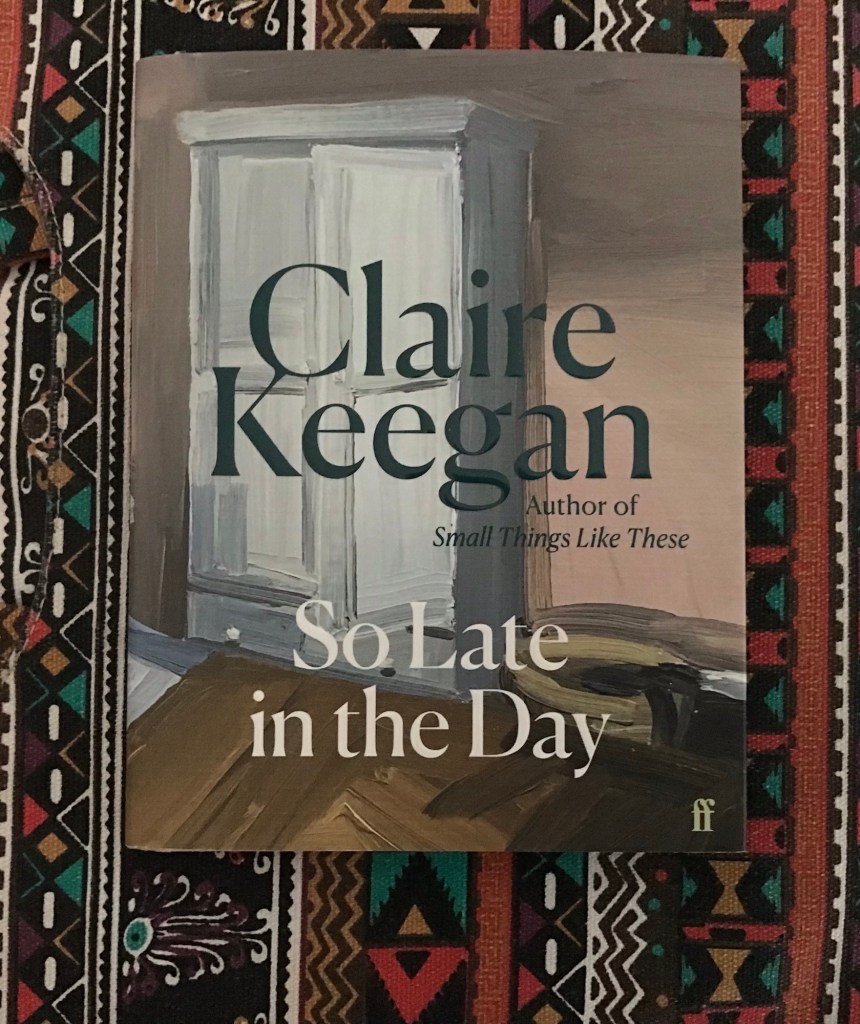
Book blurb
After an uneventful Friday at the Dublin office, Cathal faces into the long weekend and takes the bus home. There, his mind agitates over a woman named Sabine with whom he could have spent his life, had he acted differently. All evening, with only the television and a bottle of champagne for company, thoughts of this woman and others intrude – and the true significance of this particular date is revealed.
From one of the finest writers working today, Keegan’s new story asks if a lack of generosity might ruin what could be between men and women.

My thoughts
It’s Friday and Cathal is at work wishing the time away. He is in a strange mood and when at last it’s time to go home for the weekend it begins to unravel. On the crowded bus a whiff of perfume recalls memories of Sabine. He remembers his first encounter with her at a conference in Toulouse more than two years ago she caught his eye. Chatting they realise they both worked in Dublin they started to see each other. It was a year later, there relationship had gone on with Sabine often going to Arklow, where Cathal lived, and staying over for the weekend.
This is not a passionate relationship that he recalls. Rather it is the shopping, the cost of items she buys and her cooking. It’s the habit of being together and perhaps the march of time, he proposes. Sabine points out that it was more an argument not to! It’s some weeks and with some effort that he persuades her to say yes.
He’s home and his recollections continue, Sabine moves in. He feels uncomfortable. They talk, argue. He watches tv, eats cake and drinks he checks his phone messages, feels tired but can’t sleep. He recalls an incident with his mother, brothers and father ‘just a bad joke’. It’s shocking and will live long in my mind.
He sleeps. Waking later he labels Sabine as she had been told he would and goes to bed thinking she had left it so late.
Cathal is an Irishman of his time and upbringing, or at least, the son of his father and it would seem not unlike many other Irishmen. Nor, I dare say, very different from many, maybe even most but, thank goodness, not all men around the globe. Did I like Cathal? At first I had no strong opinions thinking that, perhaps, something very sad had happened and I suppose it had – for Cathal. Ultimately, however, he is not a nice character and I don’t think there is any mitigating circumstance for this.
This is a sad tale of one man’s inability to move forward and be a better person with regard to his relationship with women and in particular with Sabine. Is it really the cost of a cabbage that shows the difference between them? Even when confronted and realising his words and actions are not as they should be Cathal responds with his inbuilt prejudices and misogyny.
This story explores the reaction, through Cathal and Sabine, that men and women have when they are confronted with what their beliefs are or should be regarding each other and how little some men have come, how that traditional mindset, that sense of superiority, of deserving still holds with them whilst women more and more are not so accepting and will not tolerate such attitude and behaviour anymore. Sadly, we find what is here on this personal level has been and still is broadly practiced on all levels where women continue to be treated as inferior, of not being worthy of real equality or respect.
I may not have loved this story as much as I have others from Claire Keegan perhaps because Cathal isn’t a character that, ultimately, I could empathise with. I do think it is, as always, beautifully written and has a powerful message, interestingly written from the point of view of a man who personifies the very antithesis of what he should be.

Book: purchased. My signed copy was bought on one of my trips to the Piece Hall in Halifax from The Book Corner independent bookshop.
I enjoyed checking out some of the places mentioned in So Late in the Day and hope you might find these of interest too.
Dublin
Merrion Square Park
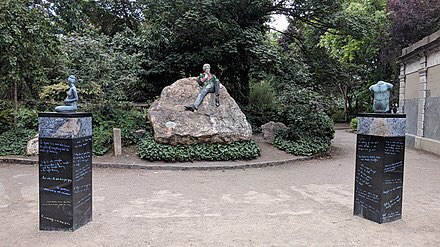
Statue of Oscar Wilde: a meeting place in the story.
Merrion Square Park sits at the centre of one of Dublin city’s most beautiful Georgian squares. The park has been restored to its historical layout. It also has a playground and sculpture trail. The Houses of the Oireachtas (the Irish Government), the Natural History Museum and the National Gallery of Ireland sit along the west of the square.
Merrion Square Park is one of the finest and most intact examples of Georgian urban design in Dublin city. The construction of the Georgian houses at Merrion Square began in 1762 and continued for 30 years.
Merrion Square soon became a fashionable address for the aristocracy and the professional classes. Oscar Wilde, WB Yeats, George Russell and Daniel O’Connell all called the square home at one point.
The park was purchased from the Pembroke Estate by the Roman Catholic Church in 1930 as a site for a cathedral. However, this project never materialised and in 1974 the then Archbishop, Dermot Ryan, transferred the land to Dublin Corporation for use as a public park.
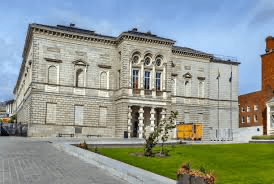
Cathal and Sabine visit a Vermeer Exhibition at the National Gallery of Ireland.
Interestingly there are two Vermeer showings Turning Heads currently on and Vermeer Visits a special Vermeer showing at the National Gallery from May.
Turning Heads: Rubens, Rembrandt and Vermeer
24 February – 26 May 2024
Beit WIng (Rooms 6-10) | Admission charge
This exhibition features works by Dutch and Flemish artists of the sixteenth and seventeenth centuries who were exponents of the tronie – an intriguing painting of a head. Paintings include Study of an Old Woman by Rubens, The Laughing Man, 1629-1630, by Rembrandt and The Man with the Golden Helmet, c. 1650 from the circle of Rembrandt. Vermeer’s most exquisitely detailed tronie, Girl with the Red Hat, c.1665-1667, is an exhibition highlight. Ticketed, admission from €5.
This exhibition is a collaboration between the Royal Museum of Fine Arts Antwerp and the National Gallery of Ireland.
Curators: Dr Lizzie Marx, Curator of Dutch and Flemish Art and Dr Brendan Rooney, Head Curator.
Vermeer Visits
11 May – 18 August 2024
Room 38 Milltown Wing | Admission free
The National Gallery of Ireland unites The Frick Collection’s Mistress and Maid by Johannes Vermeer with the National Gallery of Ireland’s Woman Writing a Letter, with her Maid for Vermeer Visits. This is an unprecedented opportunity to unite the works, as the Frick’s Vermeer — one of the highlights of its holdings — has rarely travelled outside of New York. While the Frick’s period home is under renovation, Vermeer’s Mistress and Maid will make an exceptional trip to Dublin.
Curator: Dr Lizzie Marx, Curator of Dutch and Flemish Art

Arklow
Arklow is Cathal’s home town.
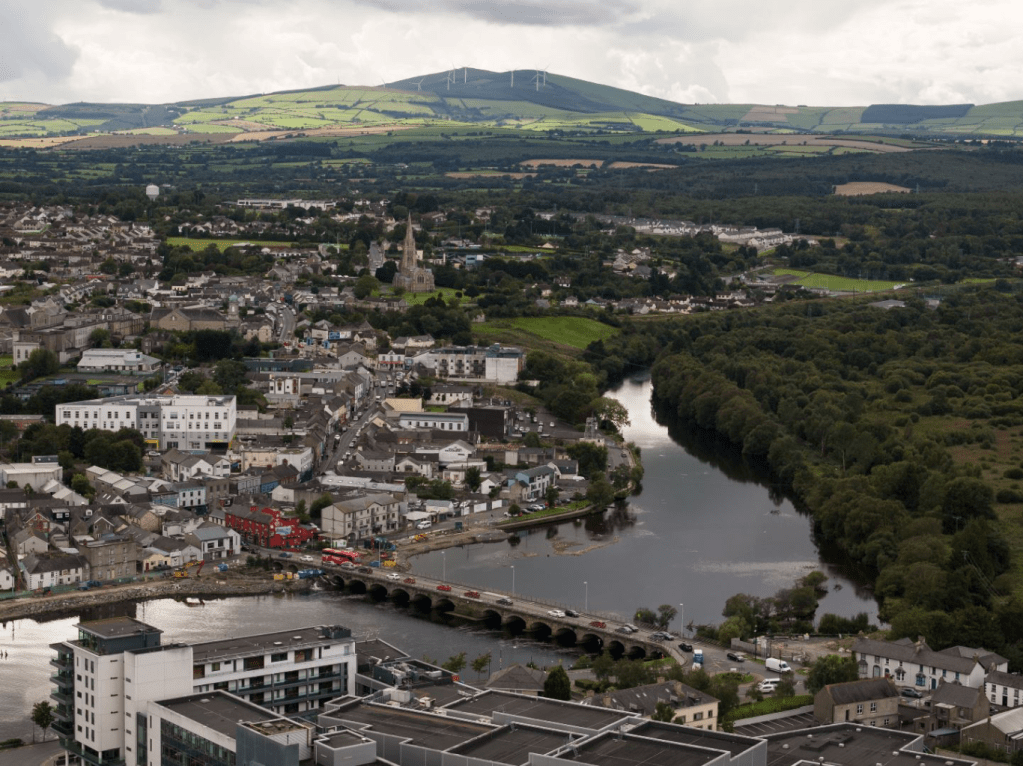
Arklow is a lively town in the southern corner of county Wicklow. Arklow was, in its day, one of the busiest ports in Ireland and a renowned centre for boat building and sea fishing as well as having a fine tradition in the pottery industry.
Situated on the River Avoca, the N11 road and the Dublin/Rosslare rail line, Arklow is an excellent base for exploring County Wicklow and neighbouring counties. The town is a good base from which to explore the Vale of Avoca to the east and the glorious sandy beaches of Brittas Bay to the north.
The beautiful Clogga Beach is situated about 6.5km by road south of Arklow Town. Arklow has an attractive main street with ornate lighting and a charming riverside walk. The fishing village character is still evident in an area called ”The Fisheries” and the port still boasts a sizeable fleet of fishing boats.
Toulouse
Toulouse is the place that Cathal and Sabine first meet at a conference.
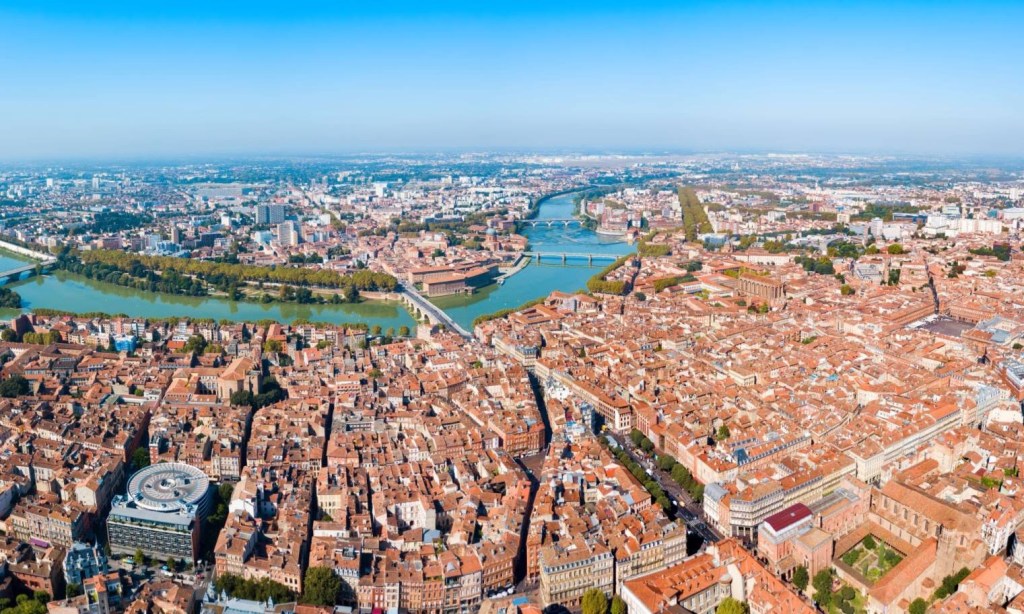
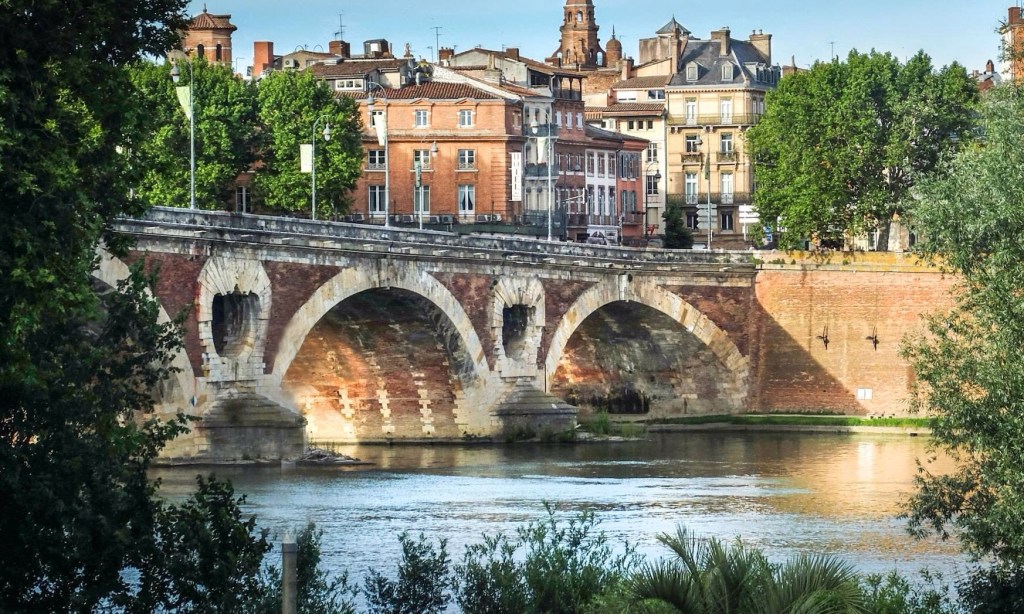
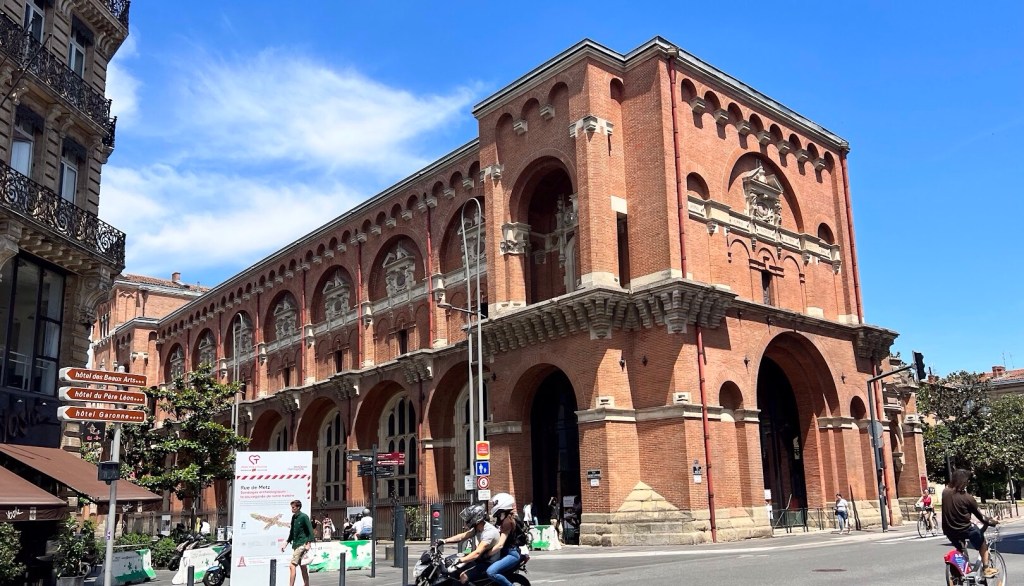
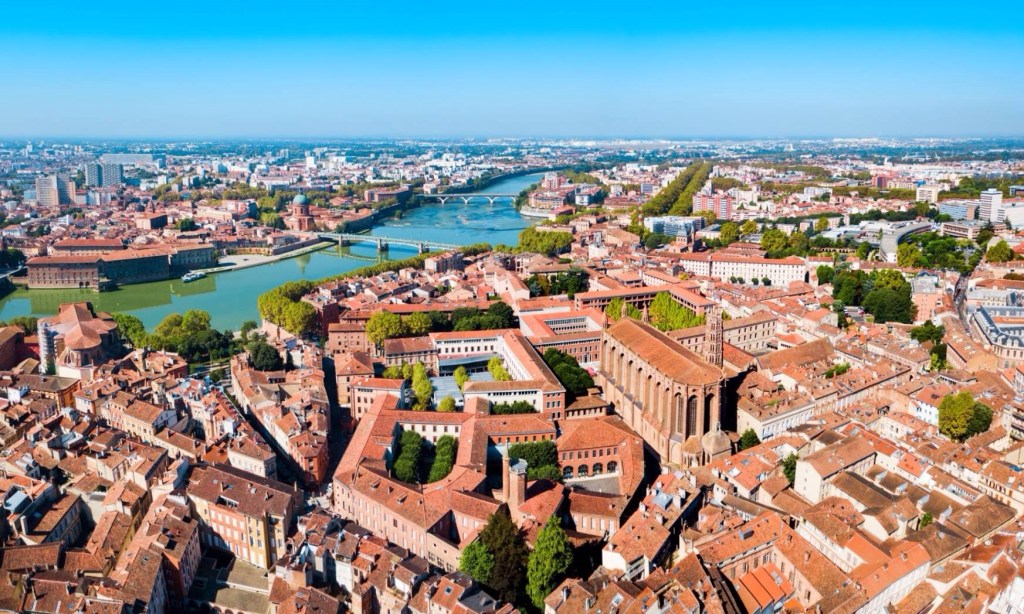
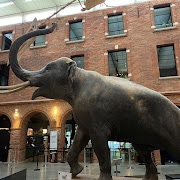
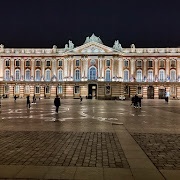
Toulouse|Old bridge|Musée des Augustins|Basilique Saint-Sernin de Toulouse|Muséum de Toulouse|Théâtre du Capitole
Toulouse, capital of France’s southern Occitanie region, is bisected by the Garonne River and sits near the Spanish border. It’s known as La Ville Rose (‘The Pink City’) due to the terra-cotta bricks used in many of its buildings. Its 17th-century Canal du Midi links the Garonne to the Mediterranean Sea, and can be traveled by boat, bike or on foot.
Toulouse Tourist Information Centre (Google maps)
The Begorrathon
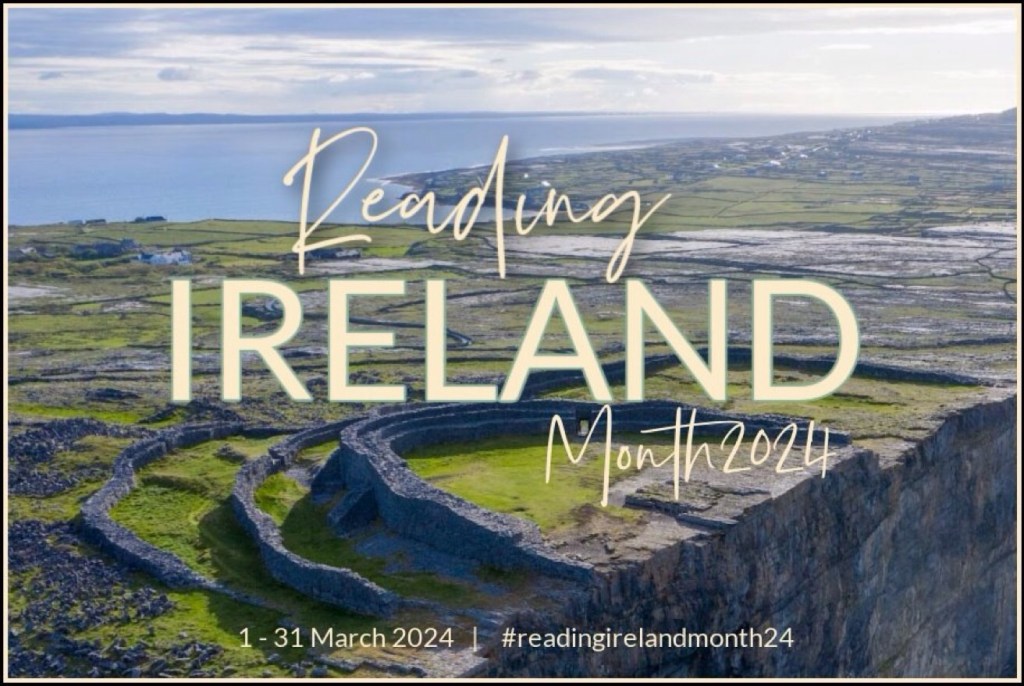
Reading Ireland Month, fondly known as The Begorrathon, is now in its eight year! It’s a lovely challenge that allows us to explore all the amazing authors who come from across the Irish Sea from the U.K. and across the Irish Sea, English Channel, North Sea from Europe, Iceland and all places middle and far East; or the Atlantic from the USA, Canada or South America and the Pacific and Atlantic for all places West. Please excuse any geographical errors what I’m saying is The Begorrathon is open to all who want to explore the writing of the wonderful place that is Ireland.
The host is Cathy @ 746books who hails from Northern Ireland and is a stalwart supporter of all the arts originating from Ireland. When you visit Cathy’s blog, which is excellent and well worth doing, you will find an amazing selection of book reviews including Irish authors along with lists of Irish authors to explore for Reading Ireland Month and throughout the year.
Information
Published: Faber (31 August 2023) | ISBN9780571382019 | 64 pp
Buy: Faber |Bookshop.org (affiliate link)|AmazonSmileUK|Hive|Your local bookshop|Your local library
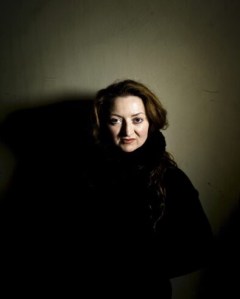
Author: Claire Keegan was born in 1968 and grew up on a farm in Wicklow. Her first collection of short stories, Antarctica, was completed in 1998. It announced her as an exceptionally gifted and versatile writer of contemporary fiction and was awarded the Rooney Prize for Literature. Her second short story collection, Walk the Blue Fields, was published to enormous critical acclaim in 2007 and won her the 2008 Edge Hill Prize for Short Stories. Claire Keegan lives in County Wexford, Ireland.
Claire Keegan | Claire Keegan website
Books
Claire Keegan’s stories are translated into more than thirty-five languages.
Antarctica won the Rooney Prize for Irish Literature. \ Walk the Blue Fields won the Edge Hill Prize, awarded to the finest collection of stories published in the British Isles. | Foster won the Davy Byrnes Award and in 2020 was chosen by The Times as one of the top 50 works of fiction to be published in the 21st century. | Small Things Like These was shortlisted for the Booker Prize and the 2022 Rathbones Folio Prize awarded for the best work of literature, regardless of form, to be published in the English language. It won the Kerry Group Irish Novel of the Year Award and the Orwell Prize for Political Fiction.| So Late in the Day: Sunday Times bestseller 2023.
 Janet - LoveBooks, ReadBooks: A readers musings, thoughts and reviews
6 responses to “So Late in the Day by Claire Keegan #readingirelandmonth24”
[…] So Late In The Day by Clare Keegan […]
LikeLike
[…] So Late In The Day by Clare Keegan. I’m reading this during Reading Ireland Month challenge in March so will be […]
LikeLike
I read this one for Reading Ireland Month, too, and ooo, Cathal made my blood boil!
LikeLiked by 1 person
[…] 82. So Late in the Day by Claire Keegan – Janet at Loves Books Reads Books […]
LikeLiked by 1 person
I liked this story well enough too Janet, but didn’t think it worthy of standalone publication.
LikeLiked by 1 person
I think you are right it probably wasn’t but seeing it in the bookshop I quite liked the edition. It was bought with Christmas gift and I had Small Things Like These so felt they would look nice together. What was a little annoying was the difference in size from Small Things Like These. Just aesthetics I know but if individual short stories are going to be produced it would have been better to have thought through that element.
LikeLiked by 1 person